

The mind games of gambling understanding psychological impacts
The Illusion of Control
One of the most significant psychological impacts of gambling is the illusion of control. Players often believe they have more control over the outcome of games than they truly do. This belief can stem from a variety of factors, such as a winning streak or the ability to influence game mechanics through strategies. However, most gambling outcomes are based on chance, leading to a cognitive dissonance where players struggle to reconcile their beliefs with reality. This perception can often be misleading, especially when considering reputable casinos like www.gluck33-au.com, which emphasize responsible practices.
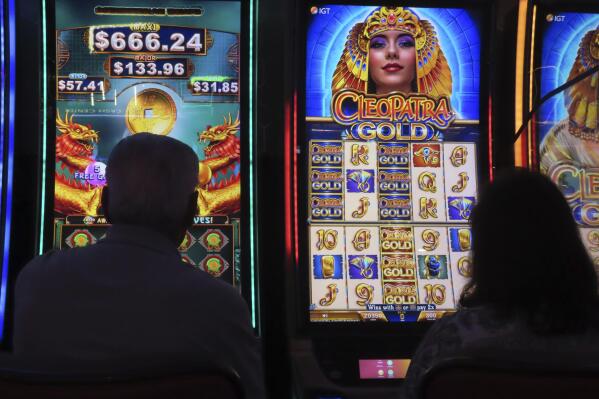
This illusion can encourage continued play, as individuals feel empowered to affect results. Unfortunately, this can lead to problematic gambling behaviors, as players may disregard warnings about potential losses, thinking they can turn their luck around. Understanding this psychological trick is crucial for maintaining a healthy relationship with gambling.
The Role of Reward Systems
The brain’s reward system plays a critical role in gambling behavior. When players win, their brains release dopamine, a neurotransmitter linked to pleasure and reward. This chemical reaction reinforces the behavior, making players eager to experience that high again. Even small wins can trigger this response, creating a cycle of reinforcement that can lead to excessive gambling.
Moreover, the thrill associated with gambling—whether it’s a near miss or an actual win—can further entrench players in this cycle. The unpredictability of outcomes adds to the excitement, making it difficult for some individuals to step away. Recognizing how the brain’s reward systems work can aid in managing gambling habits effectively.
The Impact of Social Influence
Social factors can heavily influence gambling behavior, often amplifying the psychological effects. Friends, family, and social circles can create an environment where gambling is normalized or even encouraged. This peer pressure can lead to increased participation, especially among younger individuals who seek acceptance and validation from their social groups.
Additionally, social media and advertisements often portray gambling as glamorous and exciting. This can distort perceptions of risk and reward, further enticing individuals to engage in gambling activities without fully understanding the potential consequences. It’s essential to be aware of these influences when considering gambling as a leisure activity.
Myths vs. Reality
Myths surrounding gambling often cloud judgment and lead to misguided beliefs. For example, many people think that certain strategies can guarantee success, or that previous outcomes affect future results—a misconception known as the gambler’s fallacy. These myths can encourage reckless behavior, as individuals may ignore statistical realities in favor of hopeful thinking.
Dispelling these myths is critical for fostering informed gambling practices. Understanding the actual odds and risks associated with different types of gambling can help individuals make better choices and recognize when it’s time to stop. By bridging the gap between myths and facts, players can cultivate a healthier gaming experience.

Experience Gaming at Gluck33 Casino
For those interested in exploring the world of online gambling, Gluck33 Casino offers a secure and engaging environment. With a diverse collection of games ranging from classic pokies to live dealer experiences, players can enjoy a thrilling gaming experience while being mindful of their psychological impacts. Promotions, including welcome bonuses, enhance the gaming journey and provide additional incentives for responsible play.
At Gluck33, player support and security are top priorities, ensuring that individuals can focus on enjoying their gaming experience. By understanding the psychological aspects of gambling, players can better navigate their choices and engage in responsible gaming practices, all while having fun in a safe online setting.